Coupon Cabin - Upgrade from Manifest V2 to Manivest V3
Migrated the Coupon Cabin Chrome extension from Manifest V2 to V3 in four weeks. Modern stack, new service worker, zero user-facing downtime.
Date
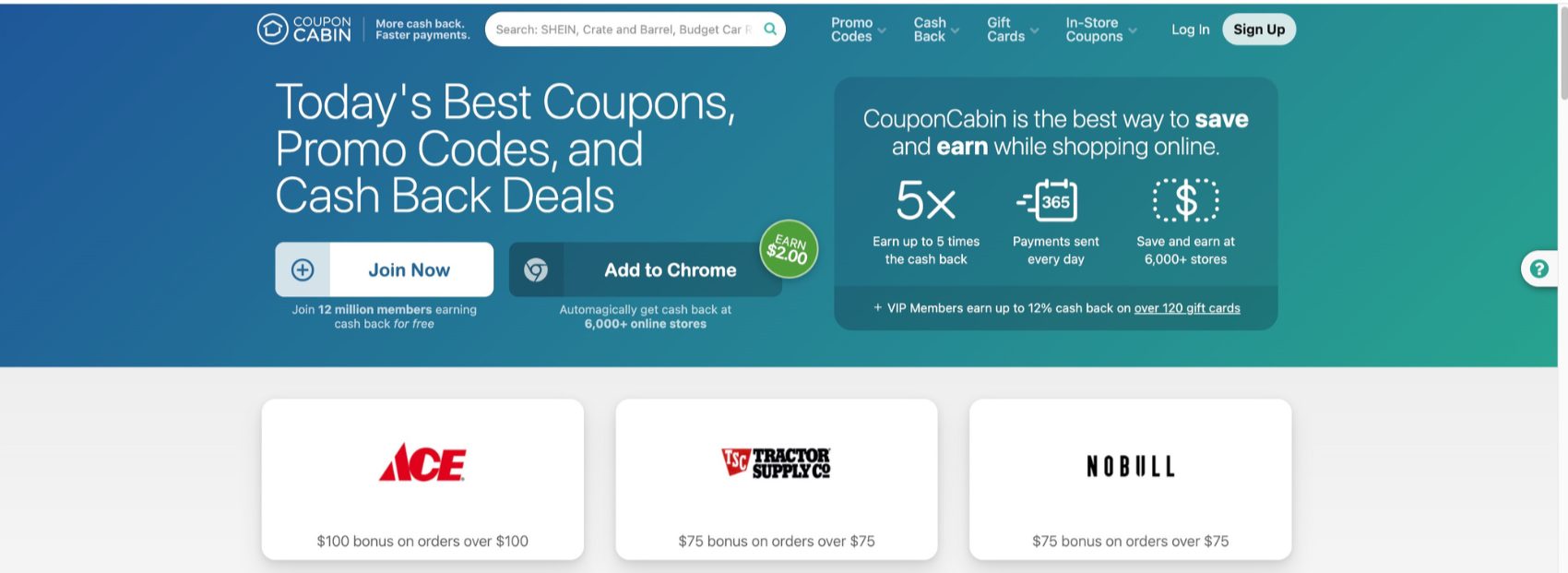
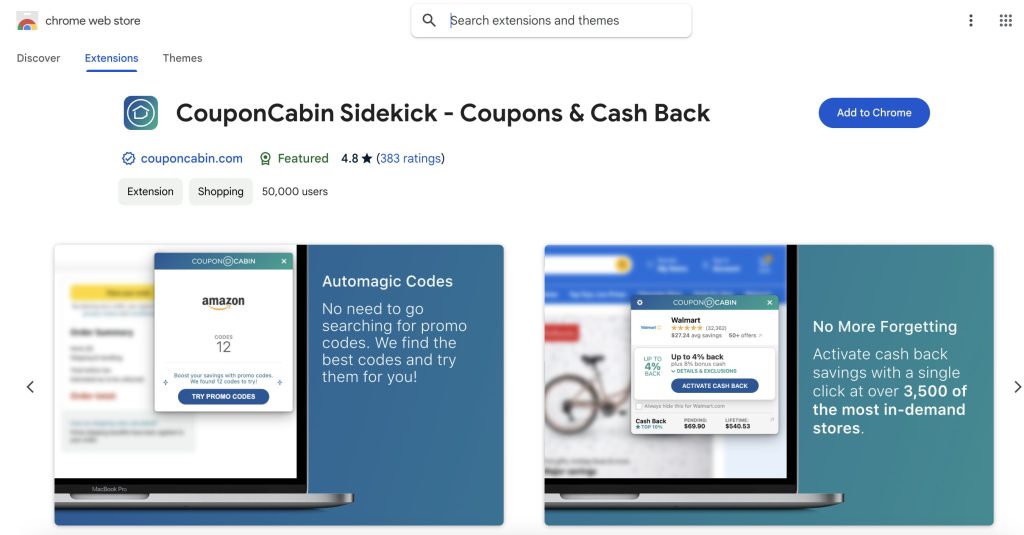
Nowadays, keeping software up-to-date is essential for both performance and security. When Coupon Cabin, a trusted platform for coupon and cashback deals, approached us with a project to modernize their Chrome browser extension, they had one clear goal: upgrade to Manifest Version 3 (MV3) to meet industry standards. They also had an ambitious timeline, pushing us to deliver results in just four weeks—a challenge our team was prepared to tackle head-on.
Challenges
Coupon Cabin’s extension was in dire need of a refresh. The extension was not only outdated, relying on the now-deprecated Manifest Version 2 (MV2), but its underlying codebase showed the wear of years of minimal updates. Key elements like the Vue.js framework and the Vuex state manager were no longer the best options, leaving the extension vulnerable and difficult to scale. Coupon Cabin wanted their extension updated, optimized, and future-proofed—all within a tight deadline.
Our team recognized that meeting this goal would require careful planning, swift execution, and an unwavering commitment to quality. The project would span four weeks for development, with an additional week dedicated to a thorough client review and final adjustments. It was a tight timeline, but our team was ready to make it happen.
Complications Related to the Outdated V2
The urgency of upgrading Coupon Cabin’s Chrome extension from Manifest V2 to V3 was underscored by Google’s phase-out timeline, which began in June 2024. Since then, Manifest V2 extensions have gradually lost visibility and functionality in the Chrome Web Store, with restrictions on new installations and feature deprecations encouraging developers to adopt Manifest V3. Had we not completed the upgrade, Coupon Cabin’s extension would soon have faced deprecation in the store, making it impossible for new users to install it or for the client to upload new builds. Additionally, as merchant websites and Chrome itself continue to evolve, the outdated Manifest V2 structure would lead to more frequent technical issues, likely driving user uninstalls.
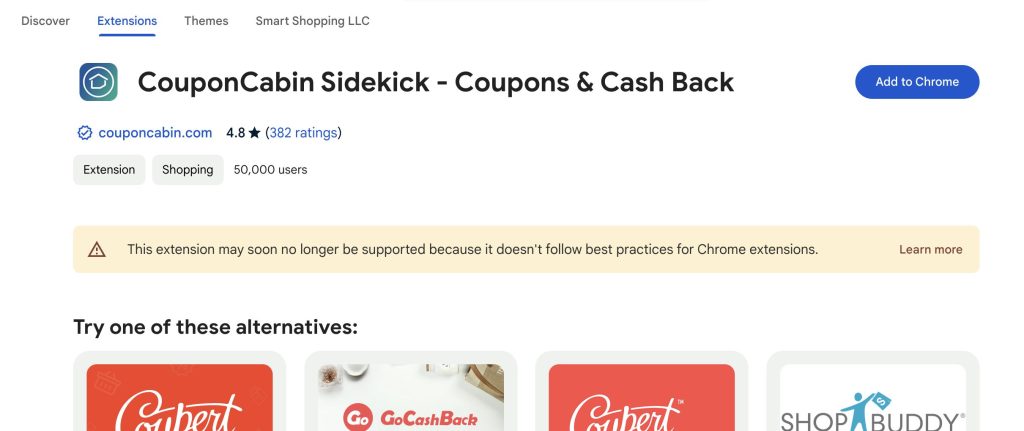
Another pressing reason for upgrading to Manifest V3 was the competitive landscape within the Chrome Web Store. Extensions that weren’t upgraded began losing visibility and support, causing Google to recommend alternative, compliant competitors’ extensions to users browsing Coupon Cabin’s extension page. This meant that by delaying the upgrade, Coupon Cabin risked losing potential users to competitor extensions prominently suggested by the Chrome Web Store.
The Solution: Modernizing from the Ground Up
To bring the extension up to industry standards and improve its functionality, we planned a comprehensive refactoring strategy that would not only address the MV3 migration but also streamline and modernize the codebase. Here’s how we transformed Coupon Cabin’s extension:
- Migrating from MV2 to MV3: Upgrading to MV3 was essential for future compatibility and improved security, as Chrome was sunsetting MV2. This change laid the foundation for better performance and streamlined background processing, which is crucial for handling the extension’s functionalities with minimal resource consumption.
- Upgrading from Vue2 to Vue3: Vue2 had served its purpose, but Vue3 offered a more efficient and scalable foundation for the extension. The updated framework brought in enhanced reactivity, performance improvements, and a cleaner API, making it easier for us to develop and maintain the extension going forward.
- Replacing Vuex with Pinia: Since Vuex, the state management tool previously used, was deprecated, we transitioned to Pinia, a lighter, more flexible state management solution. Pinia not only integrated seamlessly with Vue3 but also offered a more user-friendly and efficient way to manage data, making the extension leaner and faster.
- Introducing TypeScript: To add an extra layer of reliability and maintainability, we implemented TypeScript. This change improved code quality and reduced the likelihood of runtime errors, making the extension more robust for future enhancements.
- Refining with ESLint: Finally, we used ESLint to ensure that the entire codebase met high standards of code quality and consistency. This step allowed us to catch potential issues early and enforce a clean, maintainable coding style.
The Results: A Modern, High-Performance Extension Delivered on Time
Despite the intense timeline, we delivered the upgraded extension within the initial four-week timeframe. After handing it over for client review, we allocated one more week to address a few minor issues identified during testing, ensuring that every aspect of the extension met our client’s standards.
By the end of the project, Coupon Cabin had a fully modernized extension that was future-proofed, scalable, and high-performing. The move to MV3 and the updates to Vue3, Pinia, and TypeScript set a solid foundation for the extension’s longevity. The new codebase was not only more secure but also better positioned for upcoming updates, meaning Coupon Cabin could continue to deliver a seamless experience to its users.
Conclusion: A Trusted Extension Ready for the Future
In five weeks, we transformed Coupon Cabin’s browser extension from an aging tool to a cutting-edge asset that’s fully compliant with today’s industry standards. The refactoring process not only enhanced the extension’s performance but also equipped it to handle new features and functionalities with ease. This successful project underscores our team’s ability to work under pressure, modernize aging codebases, and deliver results that exceed expectations—setting our clients up for long-term success.