Share-A-Cart
Long-term performance optimization and support for the Share-A-Cart affiliate browser extension serving 10,000+ users across all major browsers.
Date
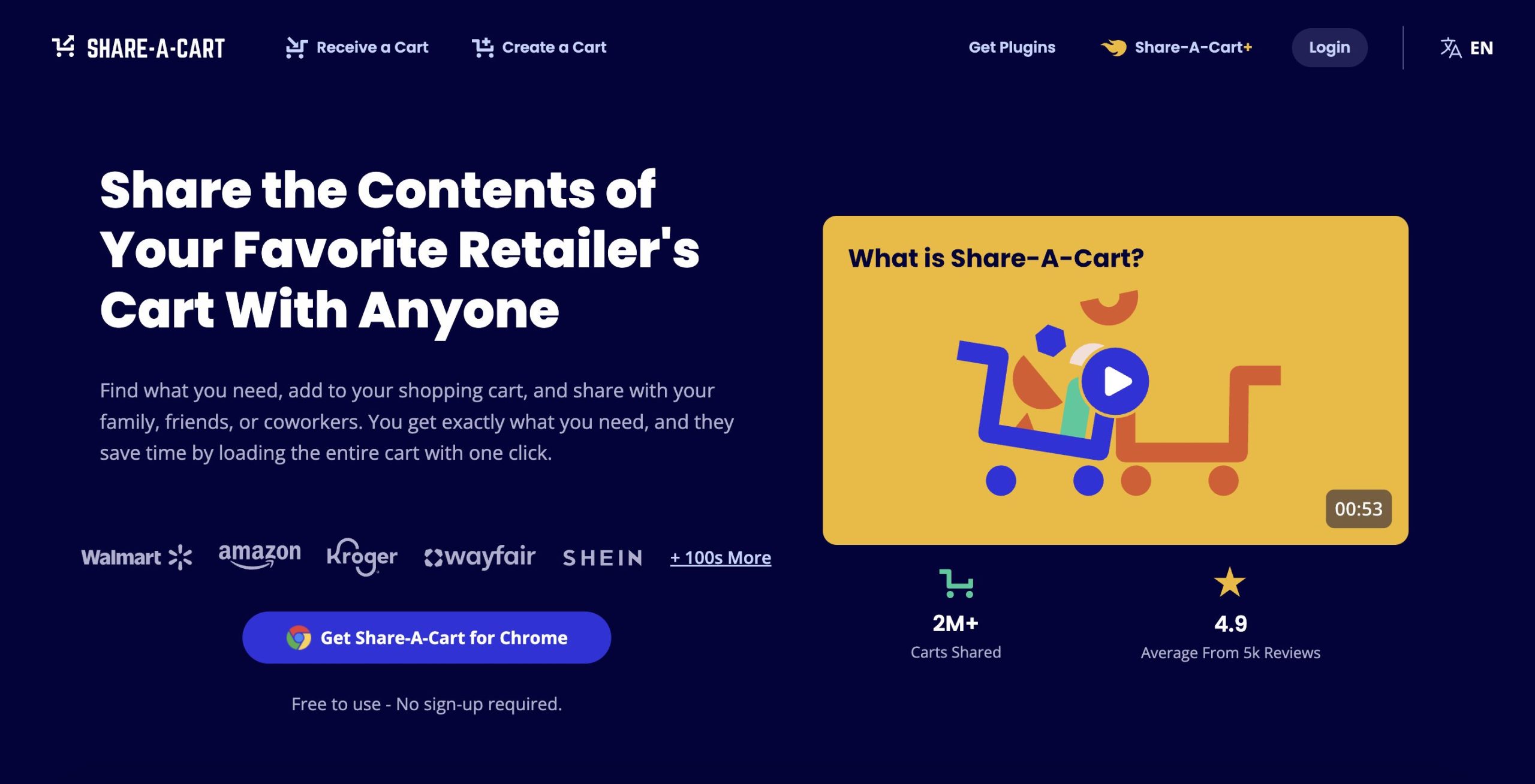
🎥From a Side Project to 10,000+ Customers | Share-A-Cart Success Story
Background
The product was initially implemented by a few co-founders for their own use, but over about 6 years it found it’s own way into a business.
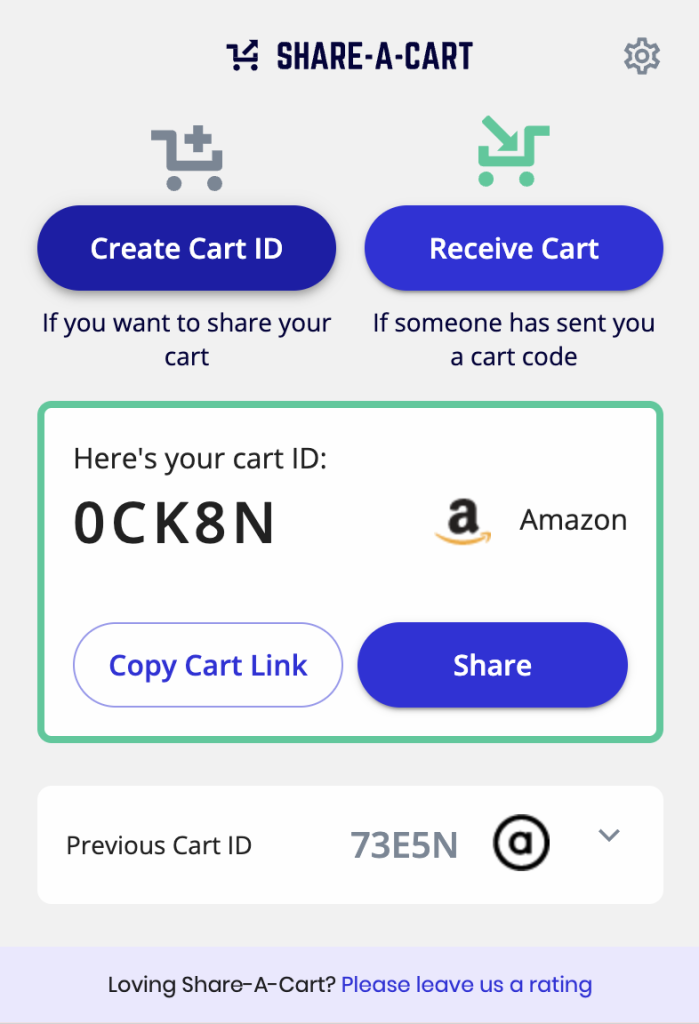
In essence the product is a browser extension that allows users to share content of their carts in about 200 affiliate stores with their colleagues or friends and family. It’s a lot easier to do with a single UI every time than look for the function on each store website.
Client's request
The main request was for quality basic support of the extension in 4 major browsers (Chrome, Firefox, Safari, Edge). The client had a pile of bugs reported by users and close to no resource to tackle them. Besides, there were development plans, as well.
The client also realized that over the years of iterative “pet-project” style development, a significant tech debt had accumulated.
Ed Kozek who is the CEO of the client company, was looking for talent that wouldn’t require a lot of management effort on their part - that is, the devs would know what they were doing in the affiliate niche and save time on back and forth. According to Ed, it’s hard to find developers with comprehensive experience in the affiliate niche - in the US as well overseas, no matter the hourly rate.
As an entrance test in the first month, the founders gave us a bunch of support tasks of different levels of difficulty.
Ed Kozek
CEO of Share-A-Cart
We were just trying to find engineering talent that understood our tech stack and understood the affiliate space. Because of a lot of experience, you brought up things that we didn't even know were things.
Thanks, Ed! That's exactly what we aim for — bringing niche expertise to the table.
Solutions
Thanks to our product-oriented approach, right at the beginning, we spotted a couple of issues with the project:
- Affiliate links were hardcoded, which made link management unnecessarily ineffective;
- There was no connection between carts, activations and payouts from affiliate networks, which is a golden standard to have in the affiliate niche;
- There was no staging instance for proper QA.
First things first, we completed all the test tasks and the client was convinced of our competency. Then we implemented a database for affiliate links and moved all the existing vendors there, which resulted in a cleaner code base and improved link management.
Then we implemented a tie between users’ carts and transactions, which made payouts a lot more transparent. After that, a staging environment was created, which is crucial for good QA
Value Delivered
Arguably, our main value is experience in the affiliate space. The client didn’t have an idea about some of the features that we brought up because, naturally, they weren’t so close in touch with the niche outside of their project.
Ed Kozek
CEO of Share-A-Cart
You guys are more of a partner that's invested in the business as much as we are versus just some contractor that we farm out.
That means a lot, Ed! We always aim to be a true extension of your team.
Besides, there are a couple of advantages in working with us as an agency that Ed noticed, compared to individual freelancers:
- Communication with us as an agency turned out to be a lot easier than with individual freelancers, who require a certain amount of management effort each. We have a project manager who is the primary point of contact.;
- Unlike individual freelancers, we’re capable of replacing a developer if necessary without a loss of project context and failing tasks, which makes us reliable.
After the test tasks were completed and trust established, the client opted to extend our cooperation and double our dev team on the project. For a developing business, this totally makes sense long-term to meet challenging goals, as soon as you find a compatible and trustworthy partner.
Technical Details
ExpressJS, Redis, Firebase, Postgress DB, Zod, PassportJS, ReactJS, webpack, EJS